

July 2023


Starting a nonprofit organization is a noble endeavor, providing a means to give back to your community and make a meaningful impact on your chosen cause. In Pennsylvania, establishing a nonprofit involves a series of steps that ensure your organization is legally compliant and capable of achieving its mission. With careful planning and attention to detail, you can navigate the process effectively and set your organization up for long-term success.
One of the most critical steps in establishing your nonprofit organization is defining your mission. The mission statement is a clear, concise declaration of the organization’s purpose, goals, and values. It articulates why your organization exists, who it serves, and how it serves them. This statement is often the first thing potential donors, volunteers, and beneficiaries see, so it’s essential to make it engaging and meaningful.
The importance of a clear, specific mission for a nonprofit cannot be overstated. A mission statement is the foundation for all your organization’s activities, decisions, and communications. It not only provides direction for your current operations but also guides your organization’s growth and evolution. A clear mission can help:
To give you an idea of what a strong mission statement looks like, here are a few examples from existing nonprofits:
These mission statements are clear, succinct, and directly state the organization’s purpose, approach, and the audience they serve. They inspire involvement by portraying a compelling vision for change.
Crafting your mission statement can take time and thought, but it’s a worthwhile investment. It will serve as a beacon, guiding your nonprofit organization as you navigate the journey ahead.
When establishing a nonprofit organization in Pennsylvania, understanding the state’s legal requirements is crucial. Key pieces of legislation to consider are Pennsylvania’s Nonprofit Corporation Law of 1988, various IRS requirements for nonprofits, and the implications of Pennsylvania’s Solicitation of Funds for Charitable Purposes Act.
Pennsylvania’s Nonprofit Corporation Law of 1988 is the main piece of legislation governing nonprofit organizations in the state. It outlines the rules and regulations regarding the formation, management, and dissolution of nonprofit corporations.
Key features of the law include:
Understanding these rules is essential to ensure your organization remains in compliance with state law.
This Act regulates how nonprofits solicit funds from the public in Pennsylvania. It’s designed to protect donors and promote transparency in the nonprofit sector.
Under this Act:
Understanding these laws and regulations can help your nonprofit navigate the legal landscape in Pennsylvania and ensure you remain compliant as you operate and grow your organization. Always consult with a legal advisor or an attorney experienced in nonprofit law in Pennsylvania to ensure your nonprofit meets all its legal obligations.
Choosing a name for your nonprofit organization is a significant step in the formation process. The name you select will not only identify your organization but also communicate your mission and values to the public. It’s therefore vital to pick a name that’s unique, meaningful, and in compliance with Pennsylvania’s naming regulations for nonprofits.
According to Pennsylvania’s Nonprofit Corporation Law of 1988, a nonprofit corporation’s name:
When brainstorming names for your nonprofit, consider the following tips:
Before you settle on a name, you need to verify that it’s available for use. You can do this by conducting a business entity name search on the Pennsylvania Department of State’s website.
If your desired name is available, Pennsylvania allows you to reserve it for 120 days by filing a Name Reservation form with the Department of State, Bureau of Corporations, and Charitable Organizations and paying a small fee. This process ensures nobody else can register the name while you’re preparing your incorporation documents.
Choosing a name for your nonprofit is a big decision that will have long-lasting implications. Take your time to choose a name that will effectively represent your nonprofit’s mission and values.
Bylaws are essentially the rulebook that governs how your nonprofit operates. They set forth procedures for things such as holding meetings, electing directors and officers, and handling other corporate matters. Not only are bylaws a legal requirement for nonprofit organizations in most states, but they also provide a clear framework for decision-making and conflict resolution, making them critical to your nonprofit’s success.
Bylaws are internally focused legal documents that detail the governance and organizational structure of a nonprofit. They guide daily operations and overall management, providing clear procedures for key processes. The importance of bylaws includes:
While the exact content of bylaws can vary, some key elements typically include:
When drafting your bylaws, it’s crucial to ensure compliance with Pennsylvania and federal law. For example, the IRS may look at your bylaws to determine whether your organization qualifies for tax-exempt status, specifically whether your organization’s structure and programs are primarily for exempt purposes. In addition, Pennsylvania law has specific requirements for the composition of the board and the management of nonprofit corporations.
To ensure legal compliance and the effectiveness of your bylaws, it’s advisable to work with an attorney or a professional experienced in Pennsylvania nonprofit law. Remember that bylaws aren’t a static document; as your nonprofit grows and evolves, you may need to revise them to keep up with your organization’s changing needs.
One of the foundational steps in creating a nonprofit organization in Pennsylvania is forming a board of directors. A nonprofit’s board is legally responsible for oversight of the organization, ensuring it serves its mission and is financially sound.
The board of directors plays a significant role in the governance of a nonprofit. They are responsible for:
The composition of the board is crucial for effective governance. As per Pennsylvania law, a nonprofit must have at least one director, but it’s generally recommended to have a larger board with diverse skill sets. Many nonprofits aim for a board of 5 to 15 members, but the number can vary based on the organization’s size and complexity.
When selecting board members, consider their expertise, diversity, commitment to the mission, and willingness to serve. It’s beneficial to have board members with a range of skills and experiences, such as legal knowledge, financial expertise, fundraising abilities, and connections to the community your nonprofit serves.
Your organization’s bylaws should include a section dedicated to the board of directors. This section should define the number of board members, how they’re elected, their terms of service, officers’ roles and responsibilities, and procedures for handling board meetings and voting.
Other board policies might include a conflict of interest policy to ensure that board members act in the best interest of the organization, and a document retention policy to ensure important board documents are properly maintained.
Once your board is formed, it’s important to provide appropriate training to ensure all members understand their roles and responsibilities. Regular board assessments can also help identify areas for improvement and ensure the board continues to support the organization’s mission effectively.
Forming a competent, dedicated board of directors is a critical task when starting a nonprofit in Pennsylvania. The board’s role in governance, strategic direction, and financial oversight can significantly influence the organization’s success and long-term sustainability. Therefore, consider carefully who you choose to serve on your board, ensuring they’re aligned with your mission and equipped with the necessary skills to guide your nonprofit toward achieving its goals.
Once you’ve defined your mission, chosen a name, created bylaws, and formed your board of directors, the next step in starting a nonprofit organization in Pennsylvania is to file a Certificate of Incorporation (also known as Articles of Incorporation) with the Pennsylvania Department of State.
The Certificate of Incorporation is a legal document that formally establishes your organization as a nonprofit corporate entity in Pennsylvania. It provides the state with basic information about your organization and declares your intention to operate as a nonprofit. This document is also one of the key items reviewed by the IRS when considering your application for federal tax exemption.
In Pennsylvania, the Certificate of Incorporation for a nonprofit must include:
To file the Certificate of Incorporation, you need to:
Once your Certificate of Incorporation has been approved and filed by the state, your nonprofit corporation is officially formed. Keep in mind, however, that this is a legal document with significant implications. Therefore, it’s wise to seek the help of an attorney or professional experienced with nonprofits in Pennsylvania when preparing your Certificate of Incorporation.
Remember, incorporating your nonprofit is just the beginning. Next, you’ll need to obtain an EIN from the IRS and apply for tax-exempt status. Additionally, don’t forget to register for state and local taxes before you start operations.
Once you have officially incorporated your nonprofit, the next step is to obtain an Employer Identification Number (EIN). Sometimes referred to as a Federal Tax Identification Number, the Internal Revenue Service (IRS) assigns this unique nine-digit number to identify your organization for tax purposes.
An EIN is not just for employers. It’s required for all corporations, including nonprofits, regardless of whether they have employees. Beyond tax filings, you’ll use your EIN when applying for tax-exempt status, opening a bank account in your organization’s name, applying for certain permits and licenses, and conducting other business activities.
You can apply for an EIN from the IRS for free, and there are four ways to apply: online, by fax, by mail, or by telephone for international applicants.
The preferred method is to apply online, as the service is available 7 days a week, 24 hours a day, and you’ll receive your EIN immediately upon completion of the application.
To apply online:
When applying, you’ll need to provide information about your organization and the responsible party, who must be an individual (not an organization), such as a principal officer or director.
After receiving your EIN, you should record it in a secure location. You’ll use this number frequently in the course of conducting your organization’s business.
Also, note that having an EIN does not automatically grant your organization tax-exempt status. To become tax-exempt, you must file specific documents with the IRS, a process we’ll cover in the next section.
Remember that obtaining an EIN is a crucial step in establishing your nonprofit’s legitimacy and ability to conduct business. As such, it should be completed early in your nonprofit’s formation process.
Once your nonprofit is incorporated and you have an EIN, the next step is to apply for tax-exempt status. Most nonprofits seek 501(c)(3) status from the Internal Revenue Service (IRS), which provides federal income tax exemption among other benefits. After securing federal tax-exempt status, you’ll also need to apply for state tax exemption in Pennsylvania.
The IRS grants the 501(c)(3) status as a legal designation to nonprofit organizations that organize and operate for certain approved purposes.
The benefits of obtaining 501(c)(3) status include:
To apply for 501(c)(3) status, most organizations need to file Form 1023, Application for Recognition of Exemption Under Section 501(c)(3) of the Internal Revenue Code, with the IRS. This form is extensive and requires detailed information about your organization, including its purpose, finances, governance structure, operations, and more. Smaller nonprofits may be eligible to file Form 1023-EZ, a simplified version of the application.
The application process involves:
Due to the complexity of Form 1023, it’s often beneficial to seek legal advice or guidance from a professional experienced in nonprofit tax law.
After obtaining federal tax-exempt status, you can apply for state tax exemptions in Pennsylvania. The specific exemptions available and the process for obtaining them vary by state. In Pennsylvania, some potential tax exemptions include sales tax, property tax, and franchise tax exemptions.
The Pennsylvania Department of Revenue oversees state tax exemptions, and applications are typically filed with this agency. Specific requirements and procedures can be found on their website. Some local jurisdictions in Pennsylvania may also offer additional tax benefits to nonprofits, so it’s worthwhile to investigate these opportunities as well.
Navigating the tax-exempt application process can be intricate, as it involves a deep understanding of both federal and state tax laws. To guarantee your organization adheres to all legalities and optimizes its tax benefits, consulting with a specialist attorney or tax professional with nonprofit expertise would be advantageous.
After obtaining your federal and state tax-exempt statuses, you’ll need to ensure your nonprofit complies with all local licensing and permitting requirements. This often means obtaining necessary licenses and permits at the state, county, and city levels. The specific licenses and permits your nonprofit will need depends on the nature of its activities and where it operates.
Here are some common licenses and permits nonprofits in Pennsylvania may need:
The process for applying for licenses and permits varies depending on the specific license or permit. In general, you’ll need to:
Remember, it’s crucial that your nonprofit obtains all necessary licenses and permits before starting its operations. Operating without the necessary licenses and permits can lead to fines, penalties, and possibly jeopardize your nonprofit’s tax-exempt status. It’s often beneficial to seek legal counsel or a nonprofit consultant’s advice to ensure your nonprofit meets all licensing and permitting requirements.
Starting a nonprofit in Pennsylvania is a rewarding but complex process. It requires careful attention to each step from defining your mission to obtaining necessary licenses and permits. By diligently following the guidelines outlined above, you can create a solid foundation for your organization and its mission.
Block Quote

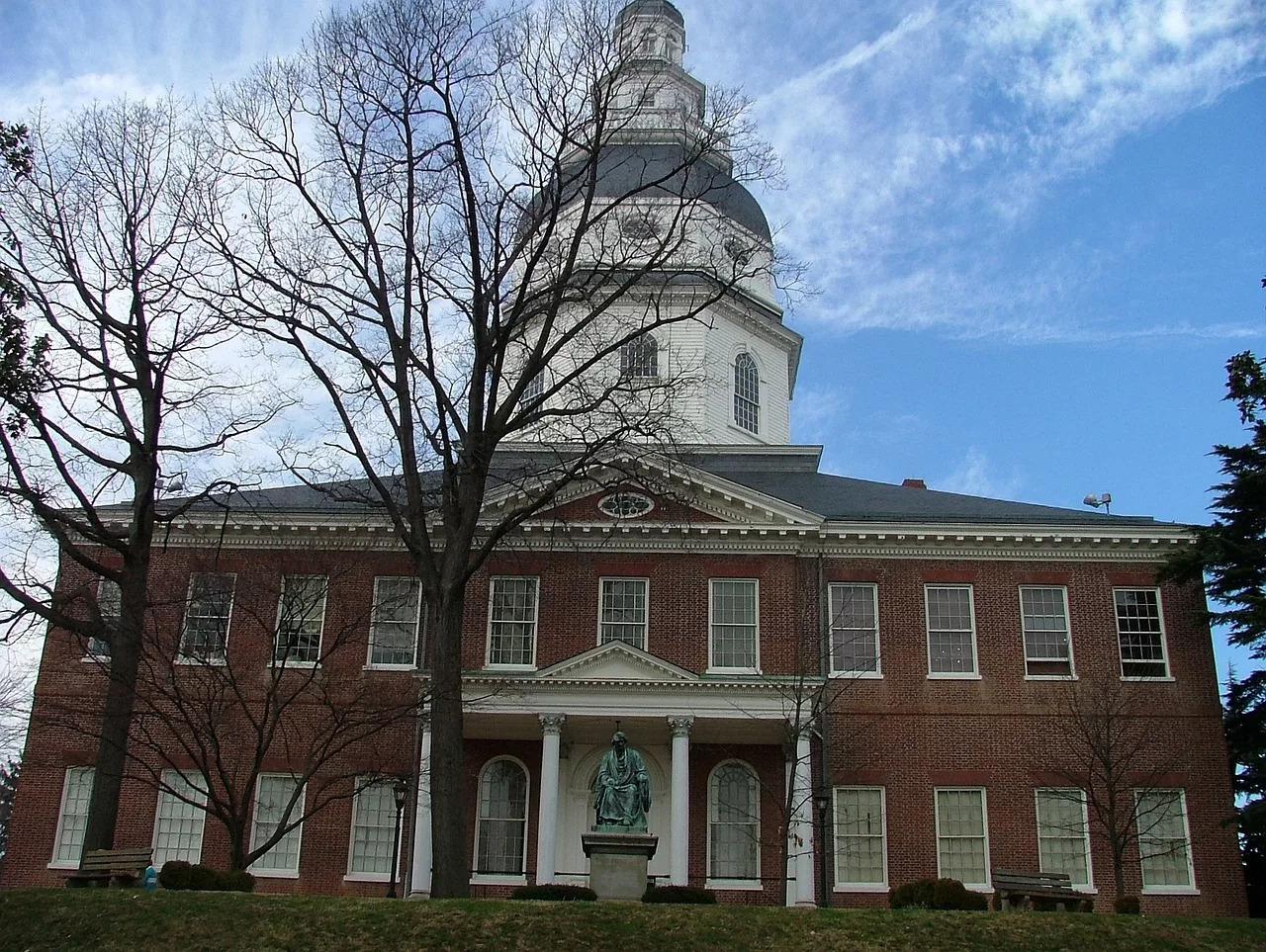
Starting a nonprofit organization in Maryland offers a unique opportunity to make a lasting impact on the community. Navigating the process requires understanding state-specific regulations and... guidelines. This


